Research

Introduction

The use of mollusk hemocyanins for biomedical applications gained attention in the 1960s, following the introduction of the notable immunogenic and immunostimulatory properties of hemocyanins derived from Megathura crenulata, commonly referred to as keyhole limpet hemocyanins (KLHs). Early clinical applications of KLH included the assessment of human immunocompetence using a KLH-induced delayed-type hypersensitivity (DTH) test.

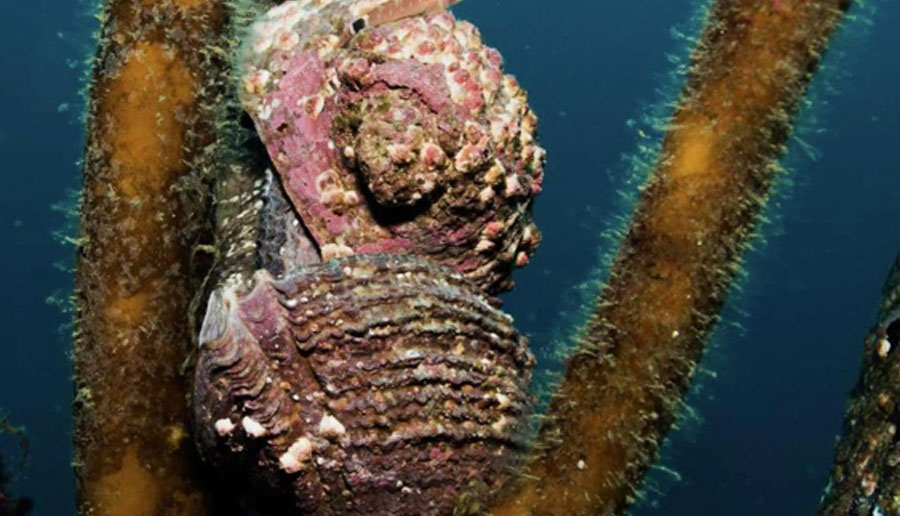
The Chilean Abalone is International Mollusc of the Year 2023

The Chilean Abalone is "International Mollusc of the Year 2023"

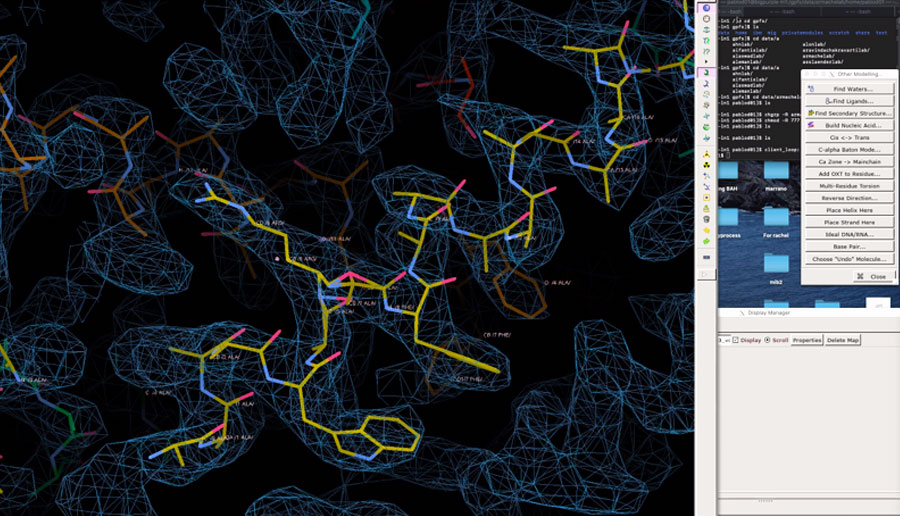
Analyzing the structure of CCH

Analyzing the structure of CCH

The dominance of KLH was challenged by the introduction of a novel hemocyanin derived from the Chilean mollusk Concholepas concholepas (CCH), which was declared the "International Mollusk of the Year 2023" by the LOEWE Center for Translational Biodiversity Genomics and the International Society for Mollusks Research. In addition to its notable immunogenic properties, CCH exhibits greater stability and efficiency as a carrier protein than KLH for the production of antibodies against haptens and peptides.

CCH has been investigated as a carrier protein for antibody production and as an antitumor agent in animal models of superficial bladder carcinoma, melanoma, and oral squamous cell carcinoma. It has also been utilized as a protein-based adjuvant in a Phase I clinical trial and as an adjuvant in a tumor antigen-presenting cell vaccine for patients with castration-resistant prostate cancer. Ongoing studies are evaluating its efficacy in patients with advanced malignant melanoma. Furthermore, the application of CCH as a carrier or adjuvant has been extensively studied in immunocontraceptive vaccines for female deer, cats, bison, and horses. The Environmental Protection Agency (US EPA) has approved formulations containing KLH or CCH (Salazar et al., 2025).

FUCITED

Biosonda, in partnership with the Science and Technology Foundation for Development (FUCITED), has supported students from various Chilean universities in completing undergraduate and postgraduate theses. These theses have advanced understanding of the structure and immunomodulatory mechanisms of clinically relevant hemocyanins, including CCH and KLH.

Molecular Properties and mechanisms of action of hemocyanins

The immunomodulatory effects of mollusk hemocyanins are partly explained by their structural characteristics, including xenogeneic origin, large size (3.3–13.5 MDa), oligosaccharide content, and complex quaternary structure. These glycoproteins function as large, partially hollow, cylindrical, multi-subunit oxygen carriers in the hemolymph of these animals. They measure approximately 35 nm in diameter and 38 nm in height, as observed by negative-stain transmission electron microscopy.

CCH possesses a molecular mass of approximately 8 MDa and consists of 20 subunits assembled into di-pentamers of antiparallel asymmetric dimers, organized with near D5 symmetry. Studies at Biosonda Corp. identified the unique structure of CCH; in contrast to KLH, the CCH decamers contains two distinct polypeptides, CCH-A and CCH-B, which confer increased molecular stability.

The mannose-rich N-glycan content of CCH and KLH serves as multiligands for certain C-type lectin receptors such as MR (Mannose Receptor) and DC-SIGN (Dendritic Cell-Specific Intercellular adhesion molecule-3-Grabbing Non-integrin), as well as Toll-like receptors, such as TLR4, which are expressed by antigen-presenting cells (APCs). These receptors mediate the secretion of proinflammatory cytokines and the intracellular trafficking of protein antigens, facilitating their antigenic processing by the histocompatibility complex (MHC) molecules on the surface of APCs to T lymphocytes. Consequently, hemocyanins undergo slow processing through the MHC-II pathway and, via cross-presentation, in the MHC-I pathway. This process relies on the TLR4-MyD88 and TRIF signaling pathways, resulting in a beneficial Th1 pro-inflammatory milieu.
Although CCH and KLH are both hemocyanins, the integrity of CCH does not depend on the presence of Ca+2 and Mg+2 in storage media; thus, the stability of CCH prevents the loss of immunogenicity during storage of the preparations.

KLH is a mixture of two isoforms that are controlled by independent genes, and therefore the composition of KLH varies from batch to batch. CCH expression is also controlled by two genes, but the protein has equimolecular amounts of CCH-A and CCH-B subunits, so the composition of CCH remains invariable from batch to batch.

CCH has been successfully used as an immunostimulant in preclinical mouse models to treat bladder cancer, oral cancer and melanoma. Recently, CCH has been used as an adjuvant in a Phase I human clinical trial of dendritic cell vaccines for the treatment of melanoma.

The physicochemical properties of the hemocyanin from CCH and the purification procedures developed by Biosonda enable the attainment of protein concentrations as high as 300 mg/ml, thereby allowing the incorporation of CCH and minimizing the dilution of other vaccine active components. KLH is available on the market at a maximum concentration of 50 mg/ml.

Chemical activation: Owing to its high stability and solubility, CCH produces greater yields following activation and reconstitution of the activated protein in coupling buffers compared to KLH.